


Insomnia disorder is more than just trouble sleeping
For many people the impact of sleep disturbance caused by insomnia doesn’t just end when the night is over. They continue into the day – affecting your concentration, energy, mood, and performance – and can gradually interfere with daily functioning1. Over time, this daytime impact is often what makes sleep problems difficult to ignore.
Insomnia disorder is a 24h condition that affects both night-time sleep
and
daytime functioning
Insomnia disorder is more than “just poor sleep”.
Often dismissed as simply “trouble sleeping”, insomnia disorder is a recognized, independent medical condition that may require treatment.
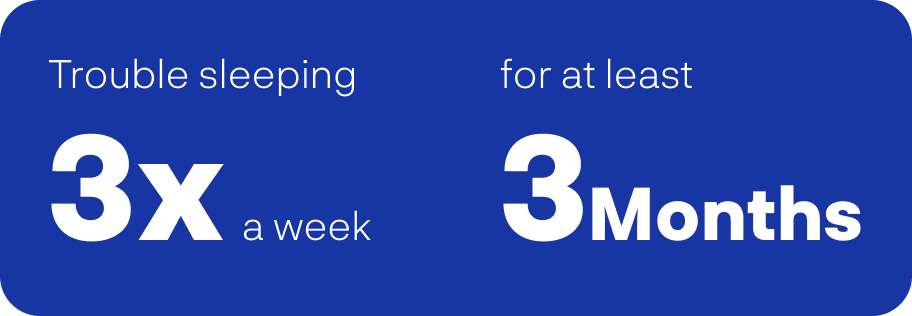
If you struggle to fall asleep or stay asleep at least three times a week for three months or longer – and it affects how you feel or function during the day – you may be experiencing insomnia disorder.3,4
Living with ongoing sleep difficulties can affect daily life in ways that are easy to overlook, especially when work, personal responsibilities, and everyday demands continue to add up.2,3
Poor sleep often has its biggest impact during the day, showing up as:
- Difficulty concentrating or staying focused2,3
- Reduced performance or confidence at work5
- Feeling emotionally drained or overwhelmed2,3
- Reduced social interaction2
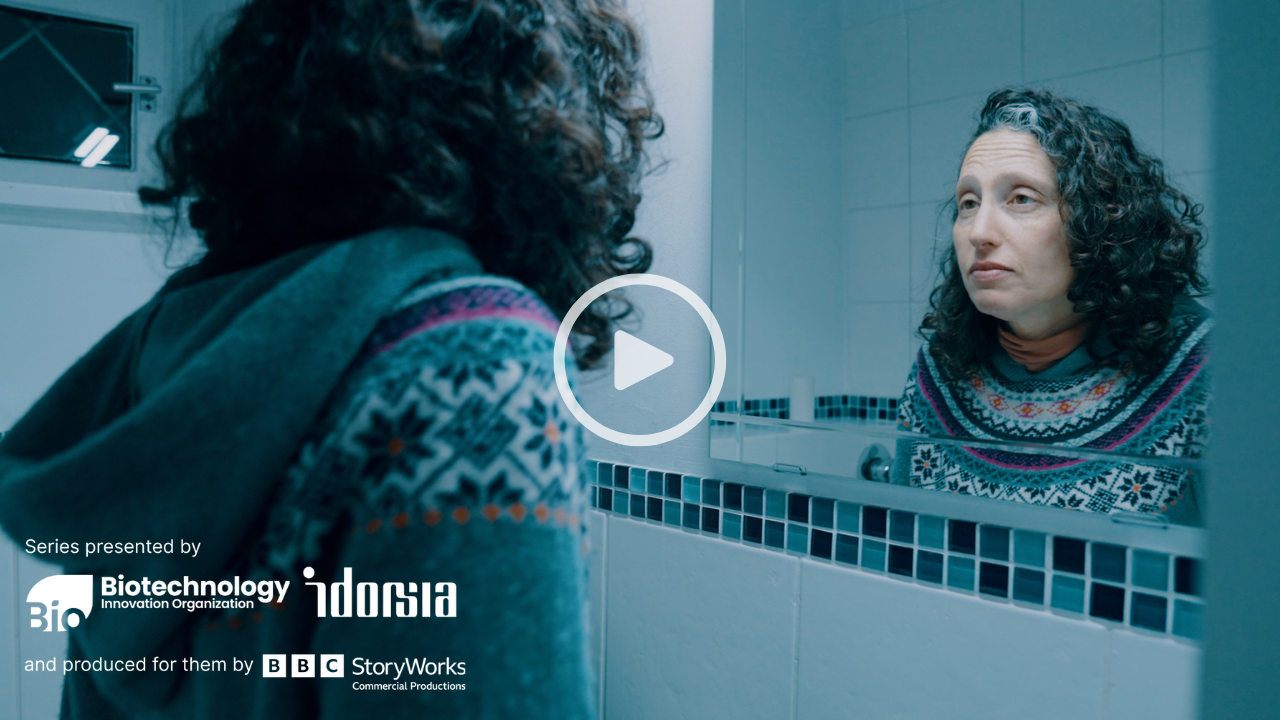
Understanding insomnia disorder through patient stories
Why does insomnia disorder
happen?
Insomnia disorder is more than “just poor sleep”
Why insomnia doesn’t always go away on its own?
Experts' insights on insomnia disorder
In 2 minutes or less, 10 short videos from Sleep Experts explore the causes, consequences, and broader impact of insomnia disorder across mental health and healthcare systems.

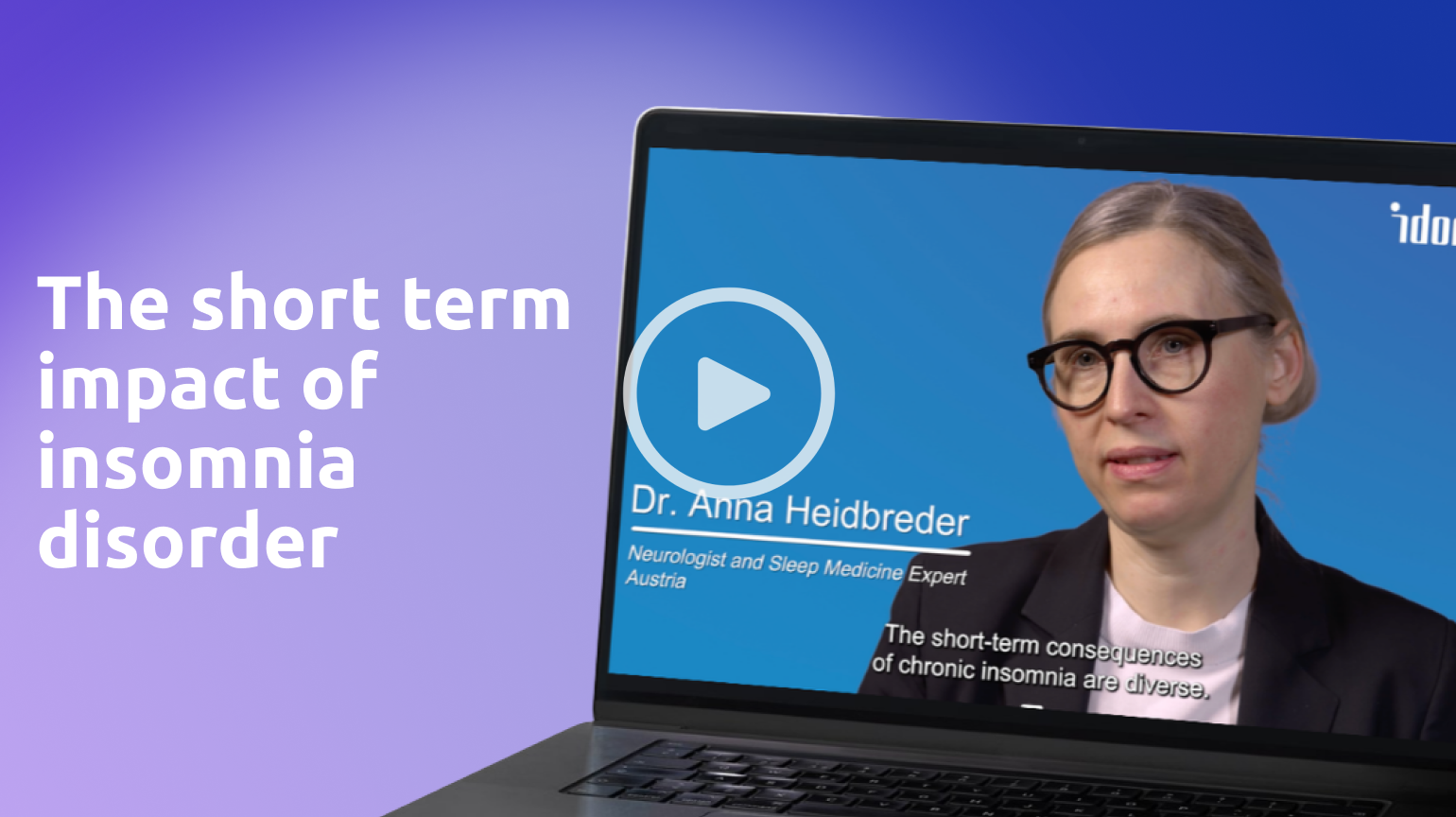
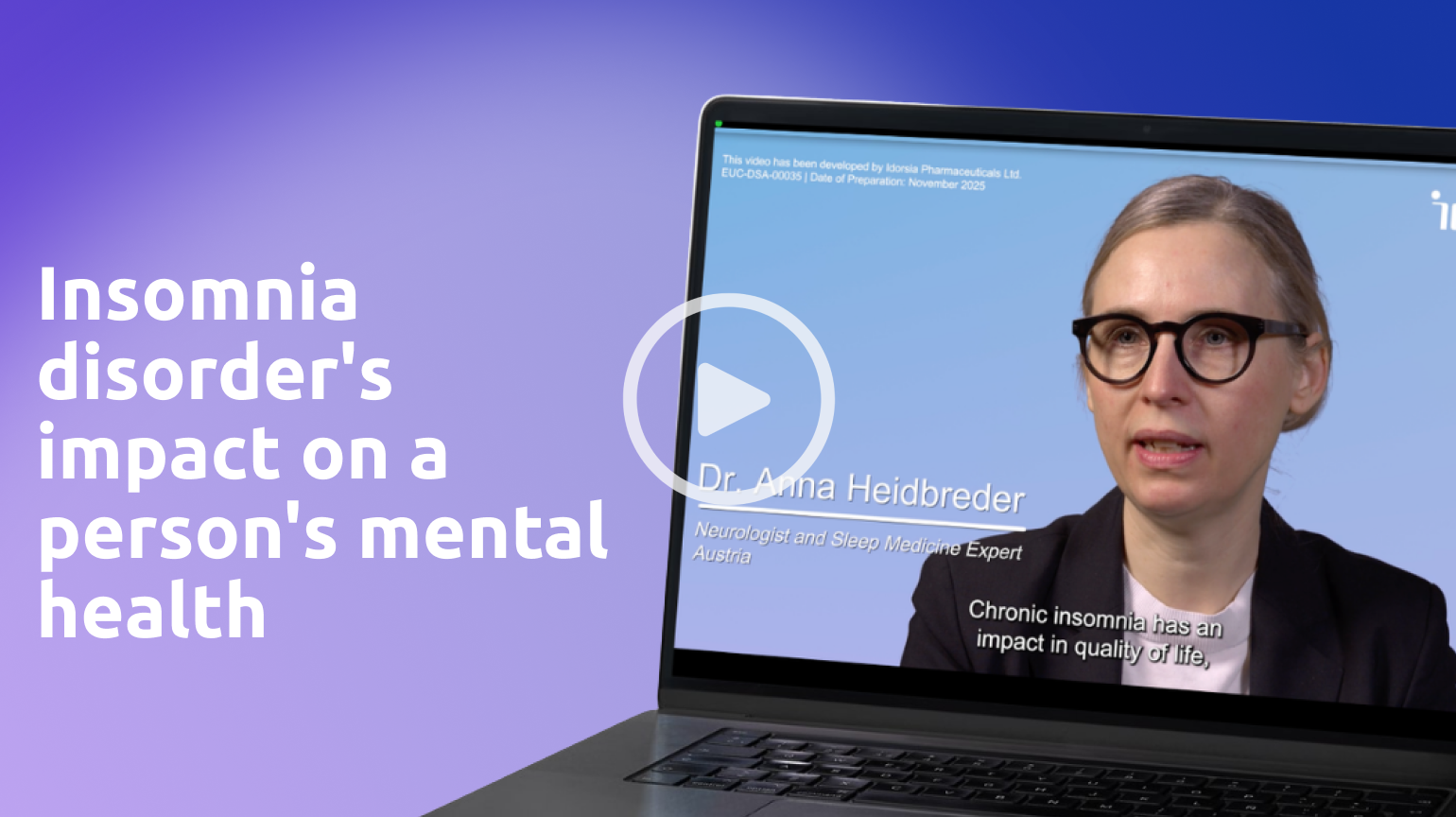
Watch Dr. Anna Heidbreder, a Neurologist and Sleep Medicine Expert based in Austria, and Dr. Poul Jennum a Clinical Neurophysiologist and Sleep Medicine Specialist from Denmark discuss the short-term impact of insomnia disorder and how it can lead to daytime fatigue, impaired cognitive function, reduced performance, and an increased risk of accidents.
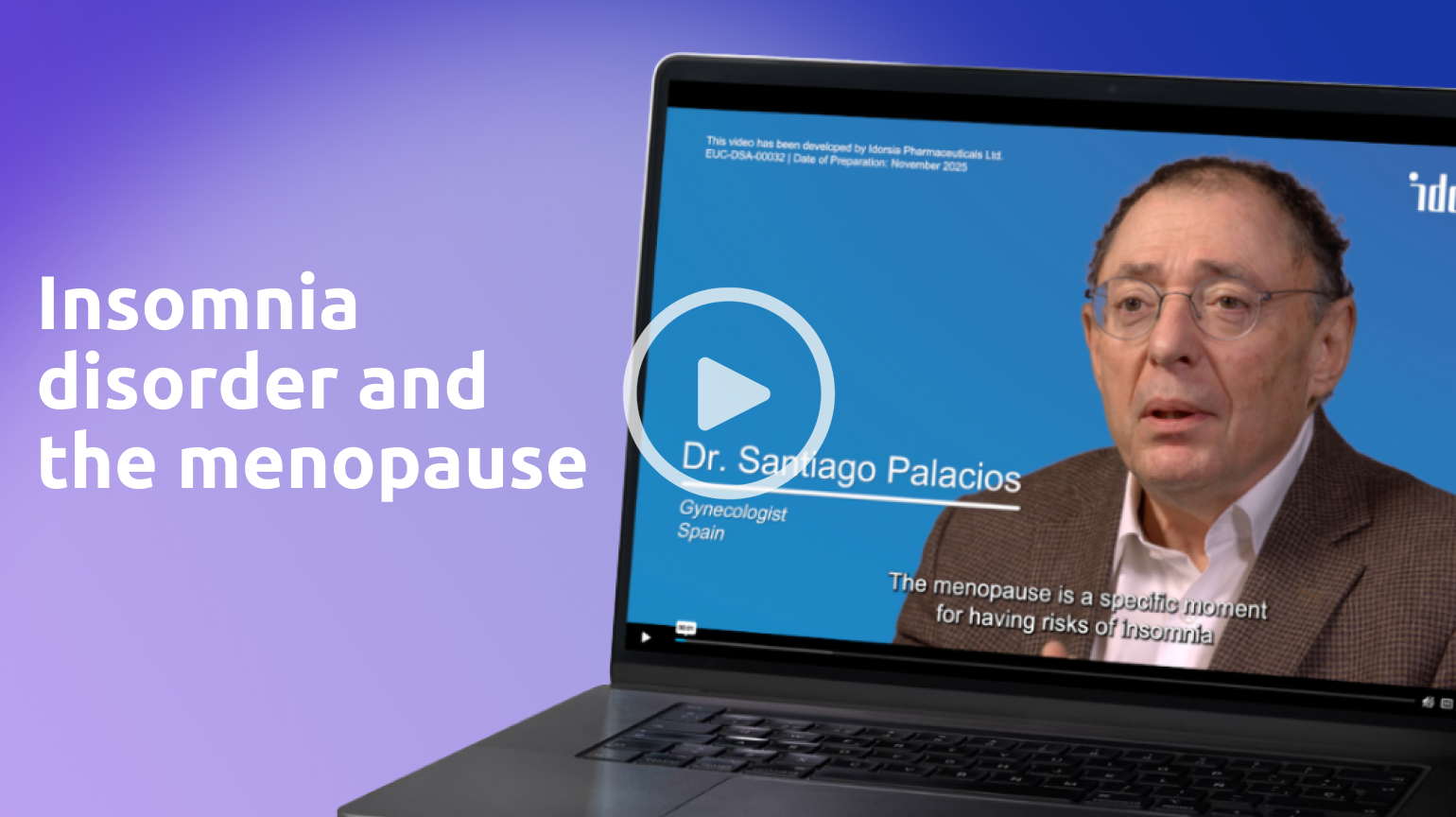
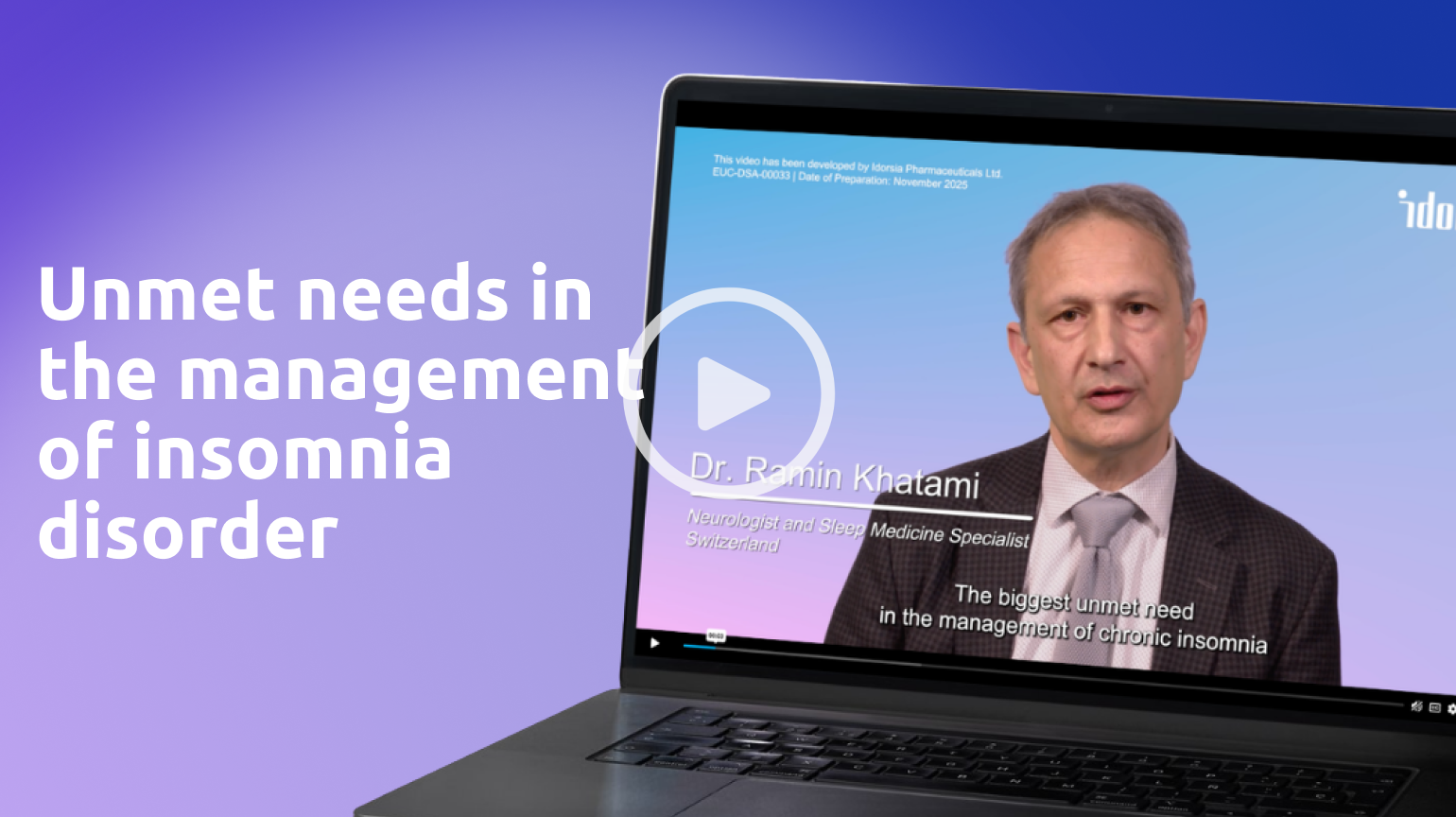
This video introduces gynecologist Dr. Santiago Palacios from Spain and Neurologist and Sleep Medicine Specialist Dr. Ramin Khatami from Switzerland as they discuss the link between menopause and insomnia disorder. They explain how hormonal changes, overactive brain, and symptoms such as hot flushes contribute to a higher risk of persistent sleep disturbances.
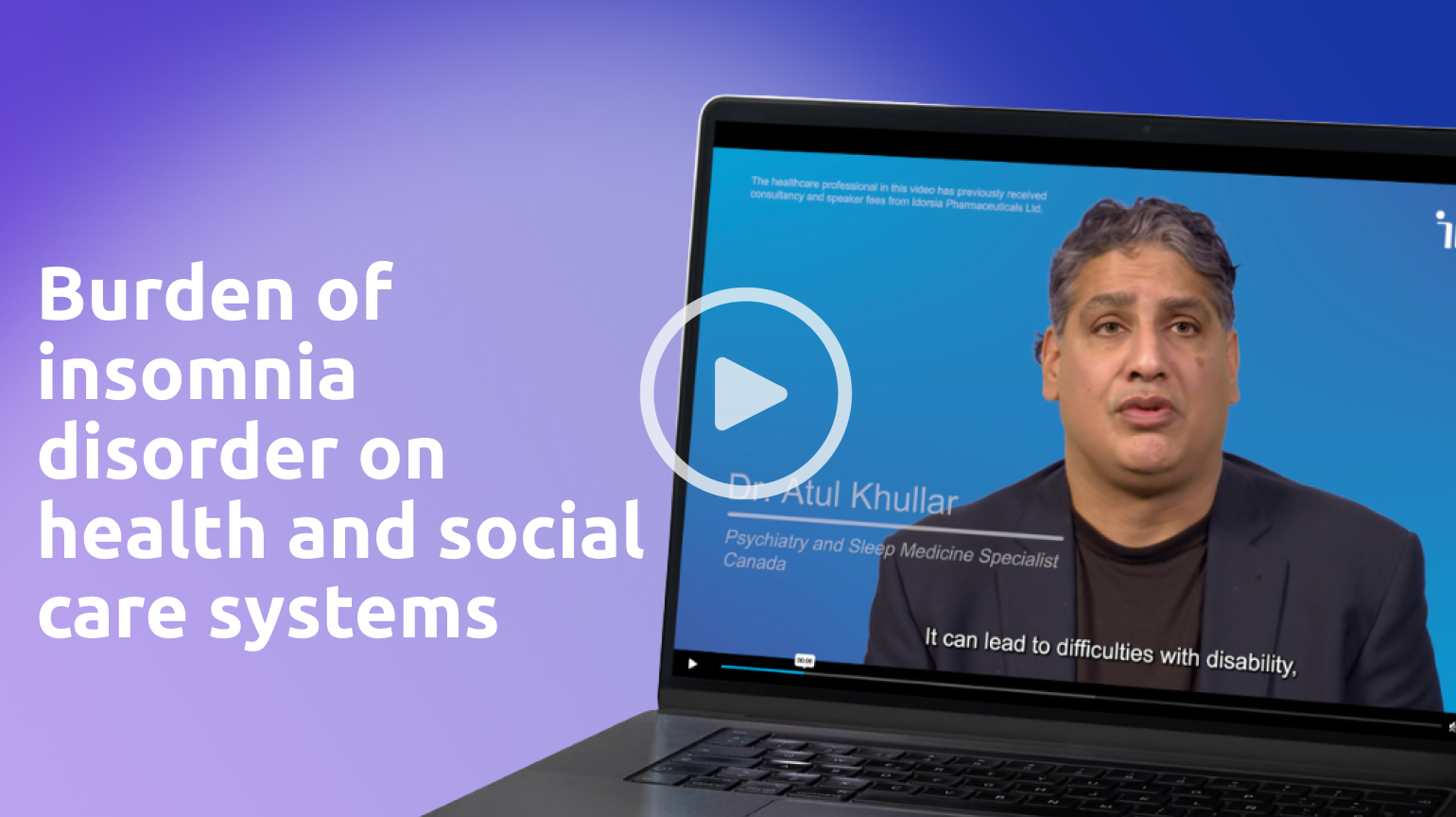
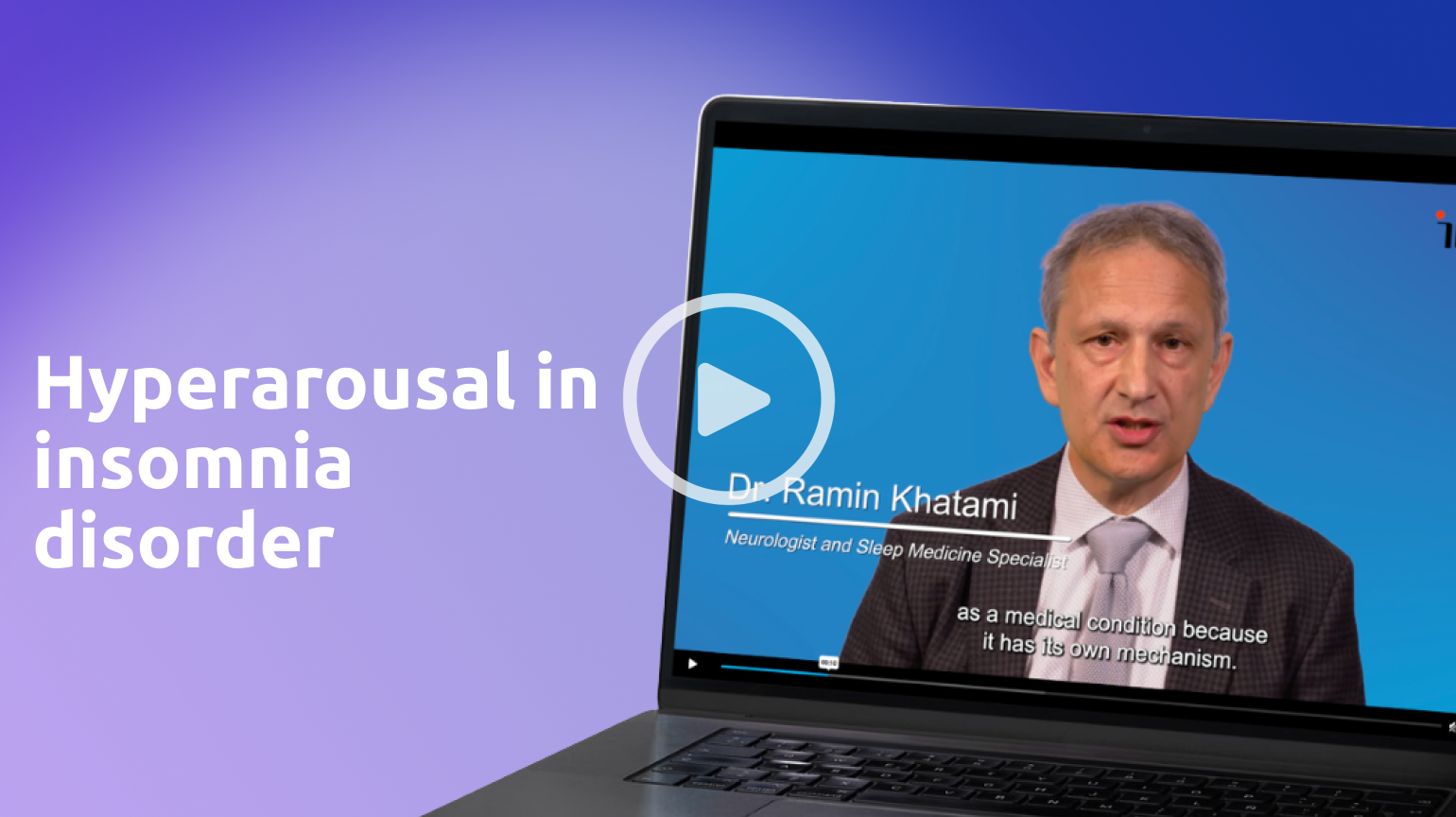
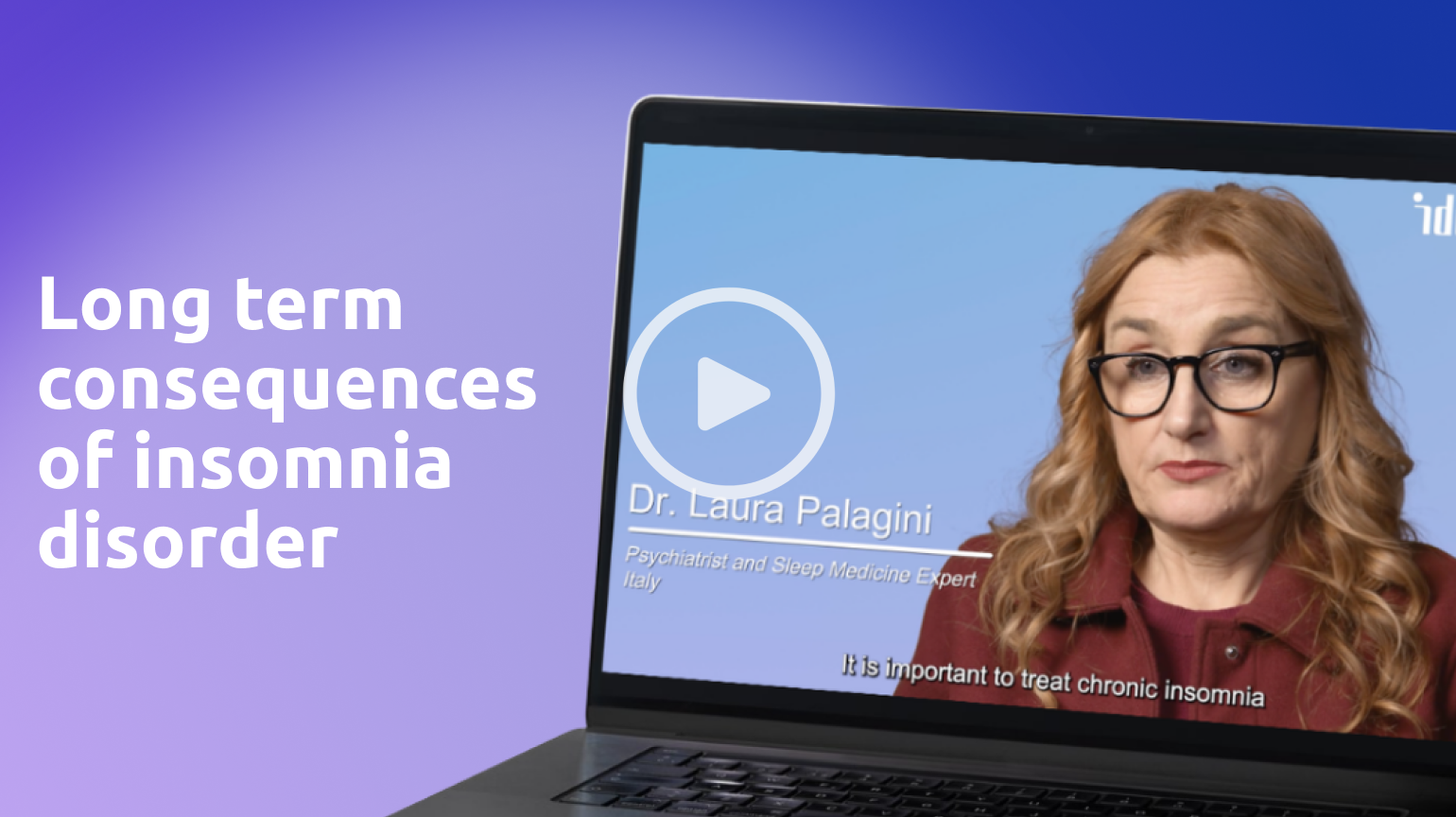
In this video, Dr. Ramin Khatami – based in Switzerland – explains why insomnia disorder should be treated as an independent medical condition, highlighting the role of an overactive brain in maintaining sleep disturbances and outlining the serious long-term risks, including dementia, diabetes, and hypertension, if left untreated.
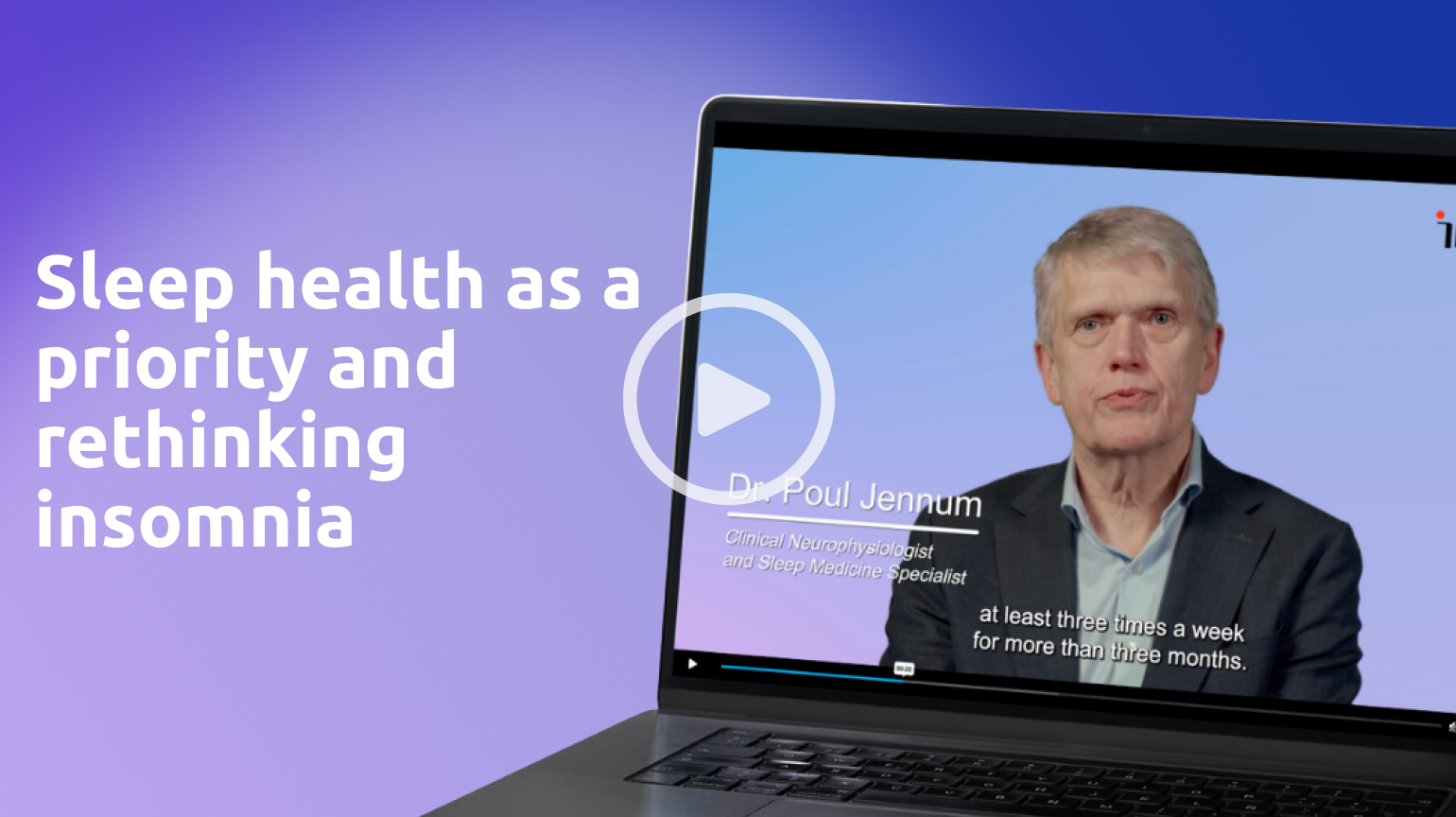
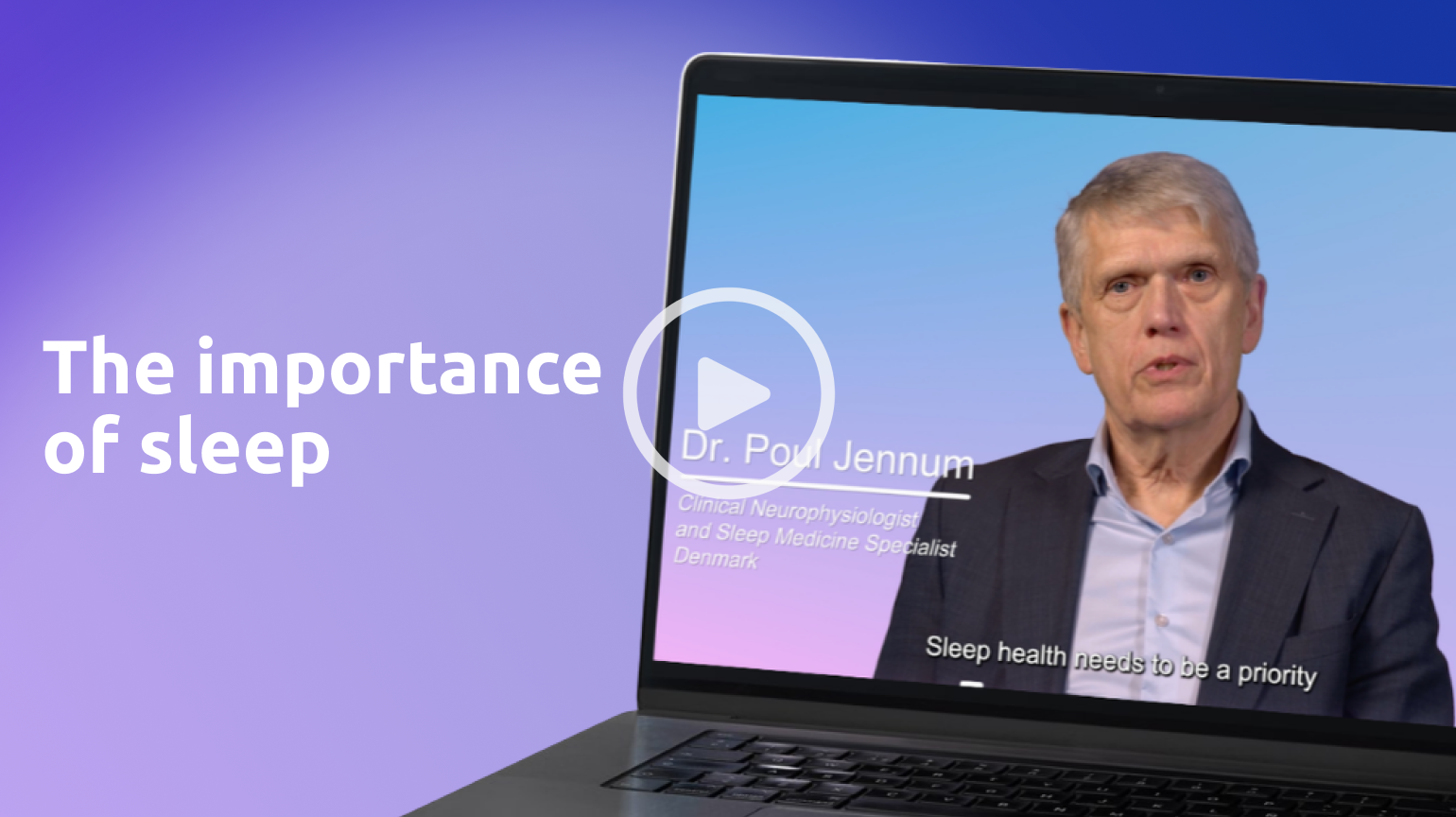
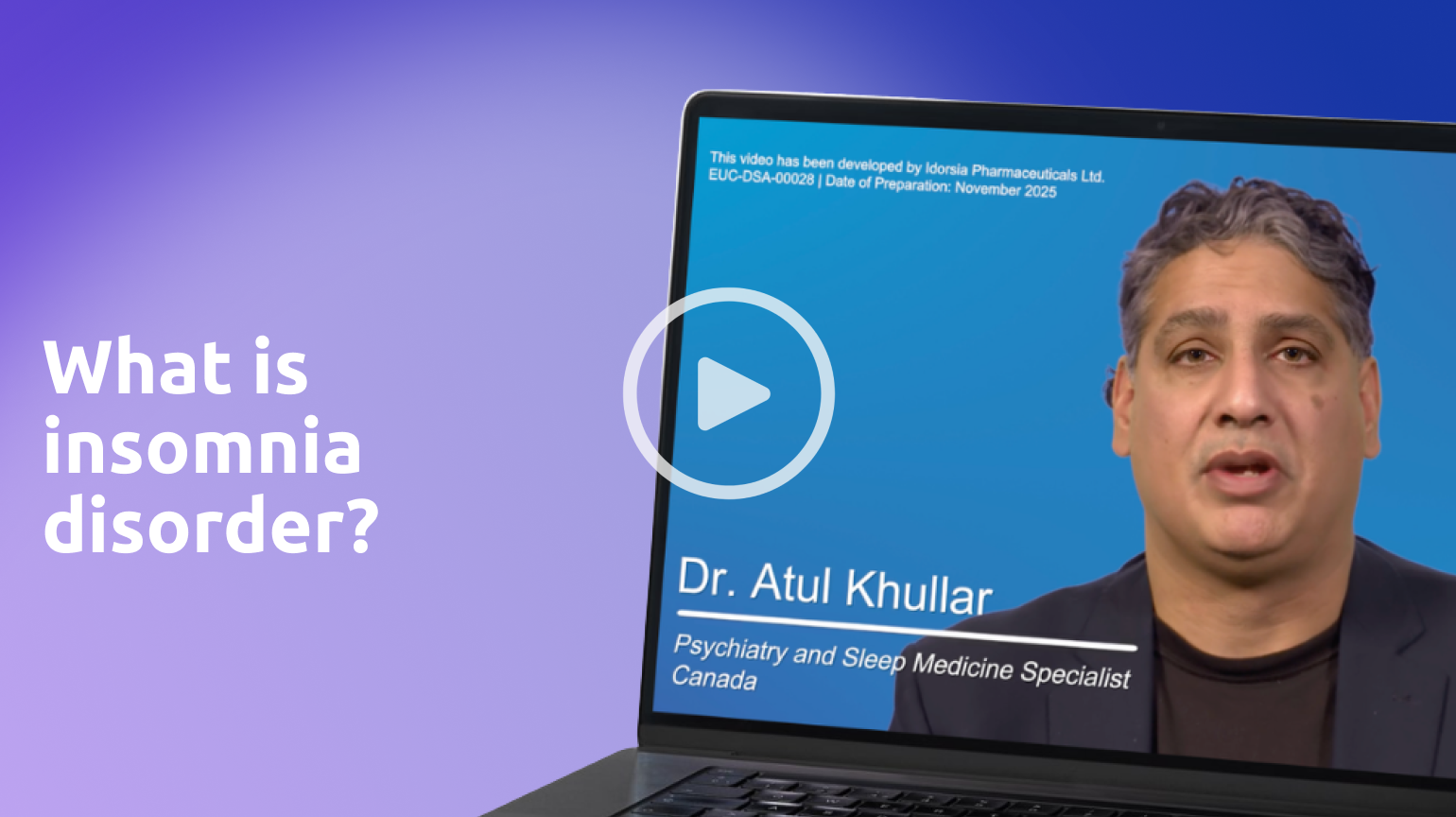
Dr. Poul Jennum from Denmark, Dr. Atul Khullar from Canada, and Dr. Ramin Khatami from Switzerland highlight why sleep health should be a priority. They explain the 24-hour impact of insomnia disorder on daytime functioning, and encourage patients to take insomnia seriously and seek timely medical support to improve overall health outcomes.

Feeling alone with insomnia disorder?
Why me? Why do some people get insomnia disorder?
Some people are more at risk of insomnia disorder than others.
Stressful triggers
Age
Did you know that your risk for insomnia and sleep problems increases as you get older?4,28
Researchers estimate that between
40% to 70%
Why does this happen? As we age, the parts of the brain that help regulate sleep may not work as well, which can make it harder to get the rest we need.14
Menopause
Poor sleep habits
When sleep becomes difficult, it’s common – sometimes without even realizing it – to change your routines in an effort to cope.13You might try to catch up by napping, rely on more caffeine to get through the day, or find yourself worrying about not sleeping.13
Although these reactions are understandable, they can sometimes work against you and make it harder for your sleep to return to normal; over time, these patterns may play a role in keeping insomnia disorder going.13Why are short-term fixes not suitable?
What are sleep aids for insomnia?
Benefits and limitations of sleep aids
- Can help you feel drowsy and relaxed so you can fall asleep faster.20
- The over-the-counter supplements are widely available, often without a prescription (availability may vary from country to country).21
- May cause next-day drowsiness.20,22
- Not recommended for long-term use in insomnia disorder.23
- Some can become less effective over time as your body builds tolerance.24
Long-term management of insomnia disorder
As a chronic condition, insomnia disorder may require prescription treatment.24
Ideally, this treatment should improve sleep quality and quantity, remain effective for as long as the treatment is needed, without causing next-day impairment or physical dependency.10,24-26 Without effective treatment, insomnia disorder can continue for years, increasing the risk of serious long-term consequences such as Alzheimer’s disease, cardiovascular disease, anxiety and depression.11,15,27,28
Don’t let insomnia disorder persist
Insomnia disorder often requires the right kind of treatment to help you improve both the quality and amount of your sleep – without waking up tired in the morning and without making your body rely on it. When insomnia isn’t managed well, it can continue for a long time and may increase the risk of other health concerns, including heart problems, memory issues like Alzheimer’s, and mood conditions such as anxiety or depression.9,21-23
If you’re struggling with your sleep, it’s important to talk to your doctor about what you’re experiencing – it can be helpful for you to understand what might be going on and work with you to find the best way to manage your symptoms so you can enjoy better nights and better days30-33.
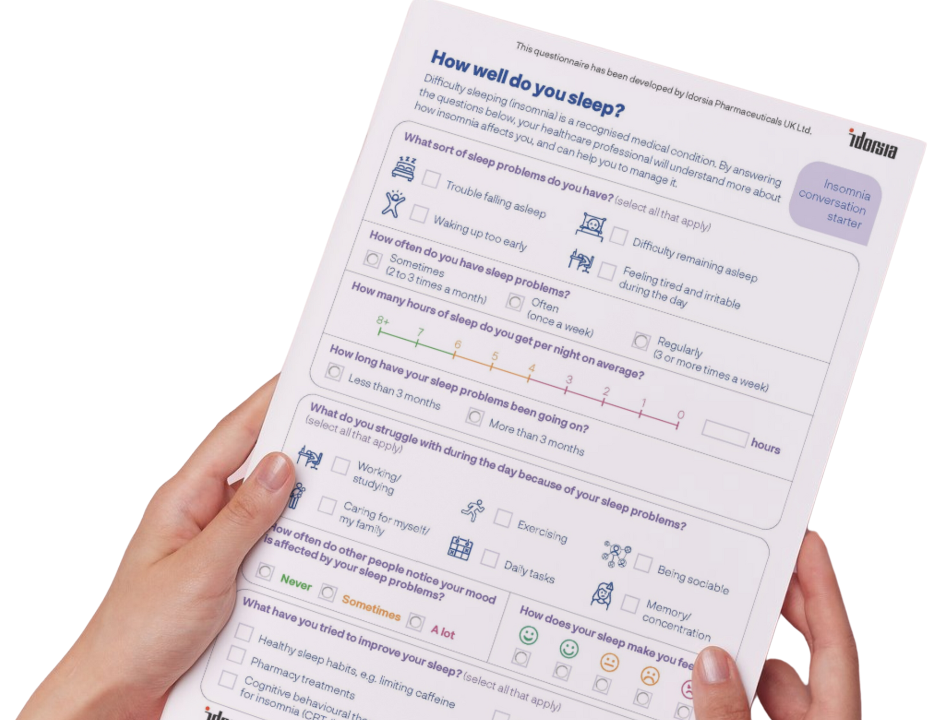
Get ready to talk with a healthcare professional
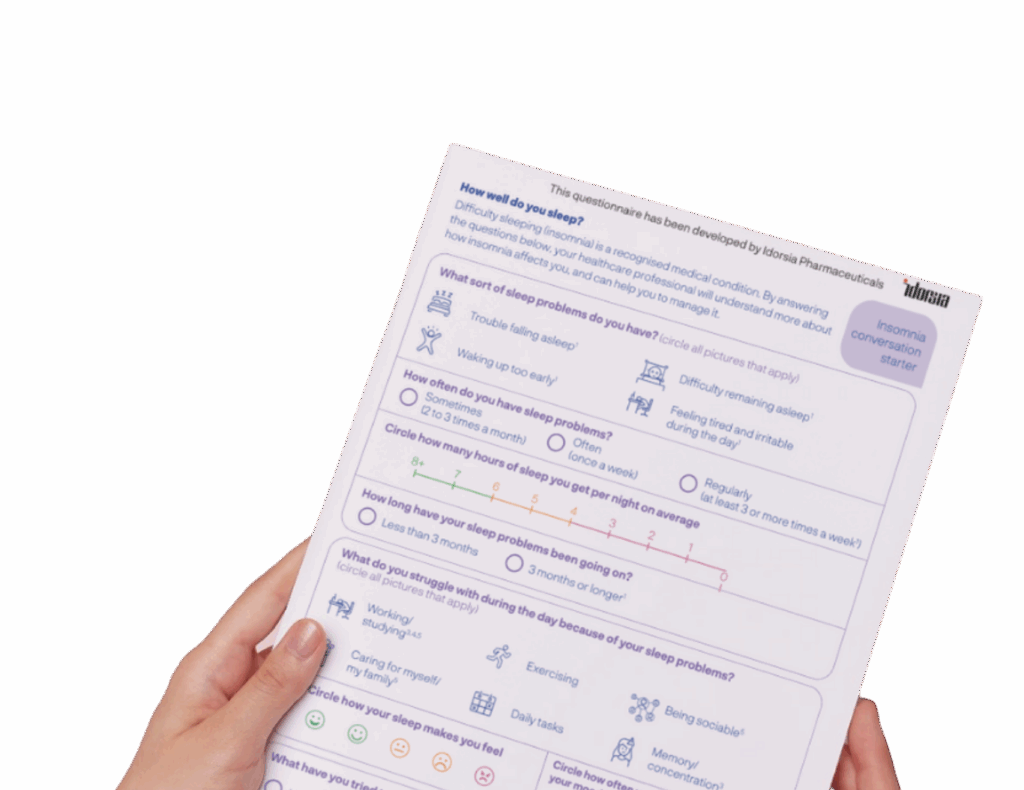
Download a short questionnaire designed to help capture the experience of insomnia disorder and support discussions with a healthcare professional.
It helps you:
- describe your sleep difficulties and how long they’ve been going on
- connect what happens at night with how you function during the day
- bring together what matters most to you before starting the conversation.
New insights into insomnia disorder in women in midlife*
Idorsia partnered with Ipsos to conduct a 2025 online survey of 1,413 women aged 40–60 across Europe and Canada, exploring the real-life impact of insomnia disorder on women in midlife, with a specific focus on daytime functioning and work.4
Sleepless, Silent, Still Showing Up
For many women in midlife, the impact of persistent sleep
loss is carried into the workplace – often in silence.
When insomnia disorder is dismissed as just “poor sleep” or “part of menopause,” women can feel left without support, being forced to cope and adapt at work while running on chronic sleep deprivation.
The hidden toll of insomnia disorder at work
have quit and/or lost
their job because of the
impact of insomnia on their
ability to function at work4
Why women are suffering in silence at work
56%
feel embarrassed to talk
to their employer about
their sleeping difficulties4
26%
22%
believe their employer knows that their insomnia disorder affects how they function during the day4
Better sleep can mean better days for women in midlife.
Persistent sleep problems shouldn’t be dismissed – insomnia disorder is a real, treatable condition that affects daily functioning and work.
Women experiencing symptoms should talk to a healthcare
professional who can screen for insomnia disorder and help
manage the condition.
Explore more survey insights in the infographic “Sleepless, Silent, Still Showing up”
References
- Riemann D, et al. J Sleep Res. 2017; 26(6): 675–700.
- Chattu V. et al. Healthcare. 2019;7(1):1.
- Morin C.M. et al. Nature Reviews Disease Primers. 2015;1:15026.
- American Psychiatric Association. Diagnostic and Statistical Manual of Mental Disorders, 5th edition (DSM-5). 2022.
- DiBonaventura M. et al. PLoS ONE. 2015;10(10):e0137117.
- Nofzinger E. et al. American Journal of Psychiatry. 2004;161:2126–2129.
- Buysse D.J. et al. Drug Discovery Today: Disease Models. 2011;8(4):129–137.
- Muehlan C. et al. Expert Opinion on Drug Metabolism & Toxicology. 2020;16(11):1063–1078.
- Morin C.M. et al. JAMA Network Open. 2020;3(11):e2018782.
- Roth T. J Clin Sleep Med. 2007; 3(5 suppl): S7–S10.
- Mallampalli MP and Carter CL. J Womens Health. 2014; 23(7): 553–562.
- Pengo MF, et al. Chest. 2018; 154(1): 196–206.
- Winegar, Rhonda PhD, DNP. Maladaptive coping mechanisms of sleep. The Nurse Practitioner 47(3):p 30-38, March 2022. | DOI: 10.1097/01.NPR.0000819624.10897.33
- Grigg-Damberger M. J Clin Sleep Med. 2017; 13(2): 163–165.
- Bateson AN. Sleep Med. 2004; Suppl 1:S9–15.
- Lam TH, et al. Complement Ther Med. 2018; 41:231–239.
- Winrow CJ. Br J Pharmacol. 2014; 171(2):283–93.
- Wilson S et al. J Psychopharmacol. 2019;33(8):923-47.
- Soyka M., et al. Front Psychiatry. 2023;14:1212028.
- Janhsen K., et al. Dtsch Arztebl Int. 2015;112(1-2):1-7.
- Hertenstein, E., et al. Sleep Med Rev. 2019;43:96-105.
- Shamim, S., et al. Cureus. 2019;11(10):e6004.
- Javaheri S., et al. Chest. 2017;152(2):435–444.
- Baker FC, et al. Sleep Med Clin. 2018; 13(3):443-456.
- Flückiger O, et al. Int J Environ Res Public Health. 2025; 22:1502.
- Ohayon MM. Arch Intern Med. 2006; 166(12):1262-8.
- Spielman AJ, et al. Psychiatr Clin North Am. 1987; 10:541–53.
- Drake CL, Roth T. Sleep Med Clin. 2006; 1:333–49.
- Bjorøy I, Jørgensen VA, Pallesen S, and Bjorvatn B(2020) Front. Psychol. 11:527. doi: 10.3389/fpsyg.2020.00527
- Miner, B., & Kryger, M. H. (2017). Sleep in the Aging Population. Sleep medicine clinics, 12(1), 31–38. https://pubmed.ncbi.nlm.nih.gov/28159095/
- Sleep Foundation. (2025, July 25). How to talk to your doctor about your sleep. Sleep Foundation. https://www.sleepfoundation.org/sleep-studies/how-to-talk-to-your-doctor-about-sleep [cdc.gov]
- Johns Hopkins Medicine. (2024, December 6). How to sleep better: Start with your doctor. Johns Hopkins Medicine. https://www.hopkinsmedicine.org/health/wellness-and-prevention/how-to-sleep-better-start-with-your-doctor
- WebMD. (2025, April 23). When to see your doctor about a sleep problem. WebMD. https://www.webmd.com/sleep-disorders/when-to-call-doctor
- Sleepiverse. (2025, December 13). How to talk to your doctor about your sleep. Sleepiverse. https://sleepiverse.com/articles/how-to-talk-to-your-doctor-about-your-sleep/
- Riemann et al., J Sleep Res, 32(6):e14035
- Sleep Foundation, Over-the-Counter Sleep Aids. Sleep Foundation, (2025, July 15) https://www.sleepfoundation.org/sleep-aids/over-the-counter-sleep-aids
EUC-IDO-00074 l March 2026